How the protein calculator works
Your target is based on grams of protein per kilogram of body weight, with ranges drawn from sports nutrition research and public health guidance:
- Mostly inactive: 0.8–1.0 g/kg (the RDA is 0.8 g/kg)
- Active or endurance training: 1.2–1.6 g/kg
- Building muscle: 1.6–2.2 g/kg
- Losing fat while training: 1.8–2.2 g/kg, to help protect muscle in a deficit
- Age 65+: 1.0–1.2 g/kg, to slow age-related muscle loss
The big number is the middle of your range. The per-meal figure divides it by the meals you choose.
Why protein matters so much
Protein builds and repairs muscle, keeps you full, and costs more energy to digest than carbs or fats. During fat loss, a high-protein diet with strength training means more of the weight you lose comes from fat rather than muscle. That’s why every PeriodicFit plan starts with protein.
Hitting your target with everyday food
Approximate protein per serving:
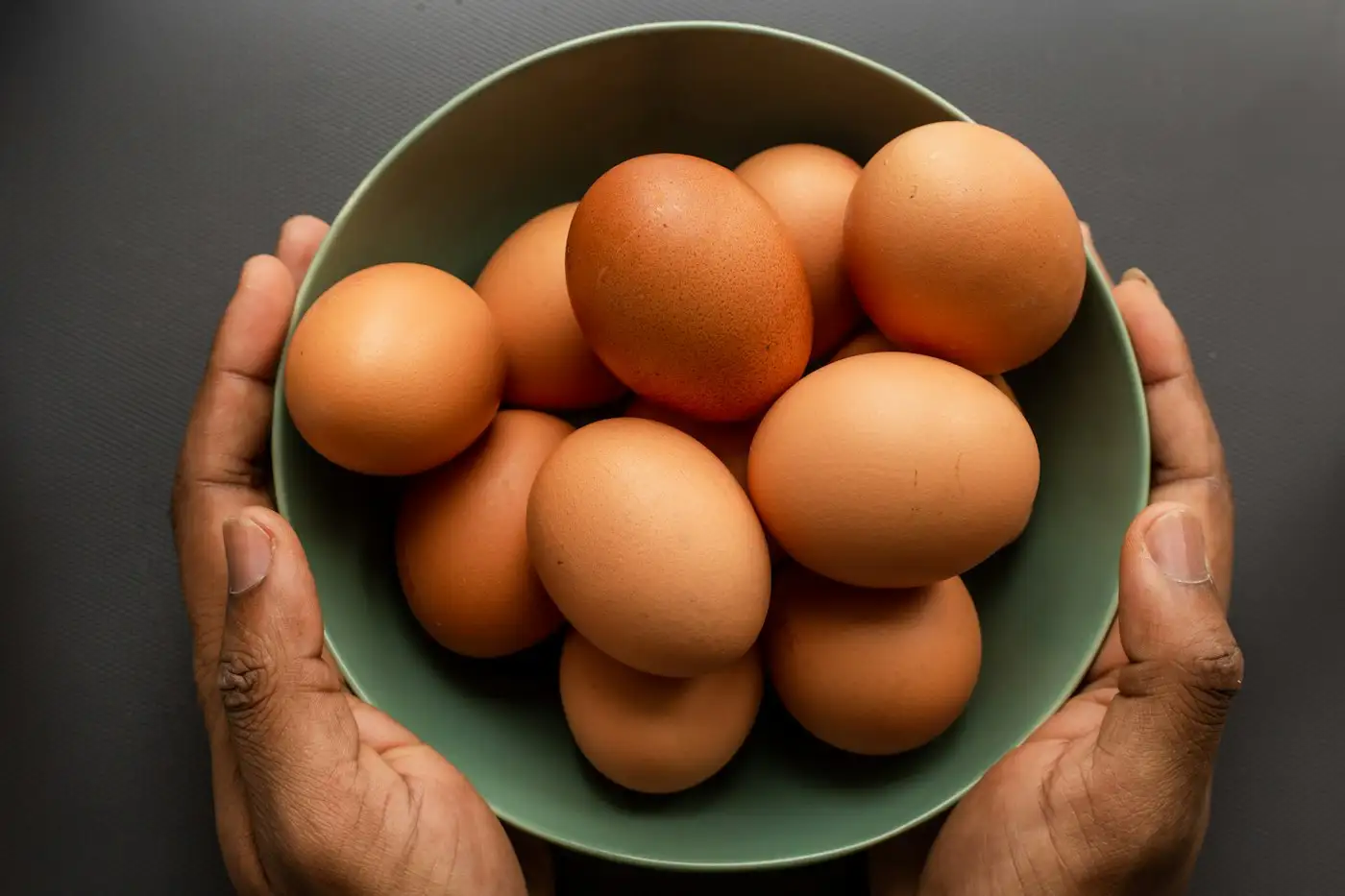
- 1 egg: 6 g
- 100 g paneer: about 18 g
- 100 g cooked chicken breast: about 31 g
- 200 g Greek yogurt: about 20 g
- 1 cup cooked dal or lentils (about 200 g): about 14–18 g
- 1 scoop whey protein: about 24 g
The food equivalents under your result show how much of a single food would cover your whole day. In practice, you’ll mix several sources across meals.
Simple ways to eat more protein
- Build every meal around a protein source first, then add carbs and vegetables.
- Swap regular curd for hung curd or Greek yogurt.
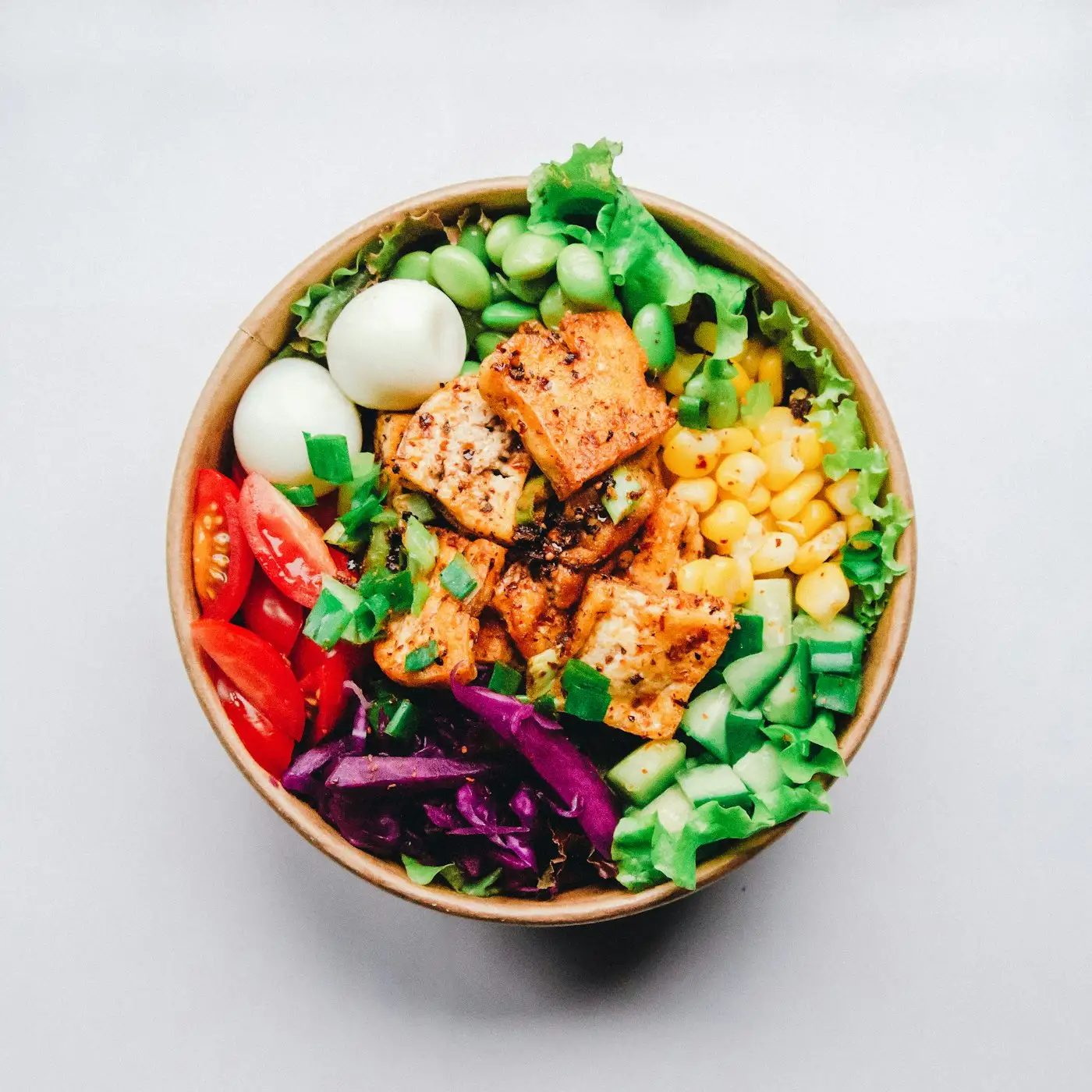
- Add paneer, tofu or eggs to breakfast instead of only poha or toast.
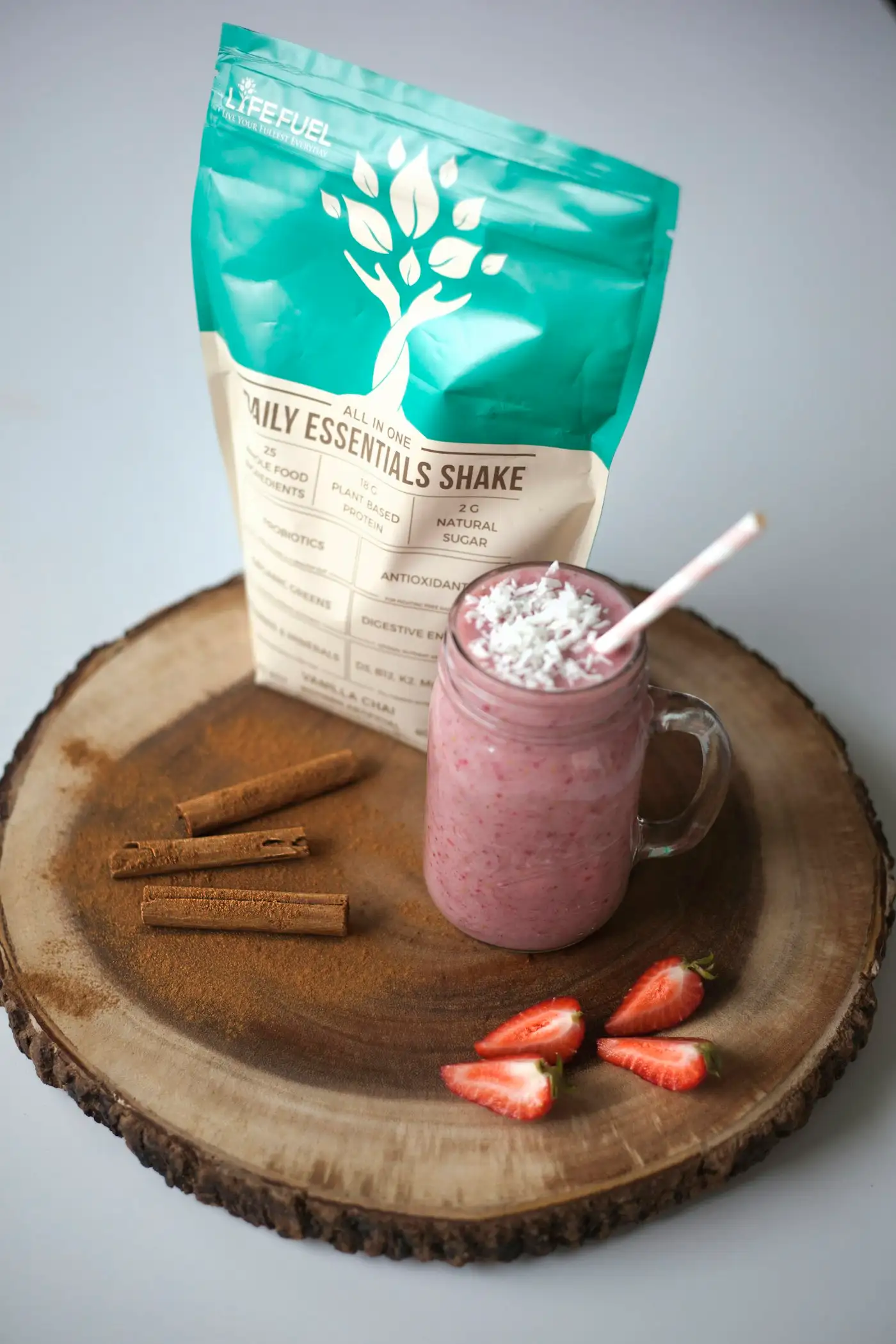
- Keep roasted chana, sprouts or a protein shake for snacks.
Want this mapped into full meals? Try the meal plan generator.
Limitations
These are general guidelines for healthy adults. If you have kidney disease, liver disease or another medical condition, speak with your doctor or a dietitian before increasing protein.