A Simple Vegetarian Meal Prep for Fat Loss
A realistic vegetarian meal prep plan for fat loss with high-protein Indian meals, a weekend prep routine and a shopping list.
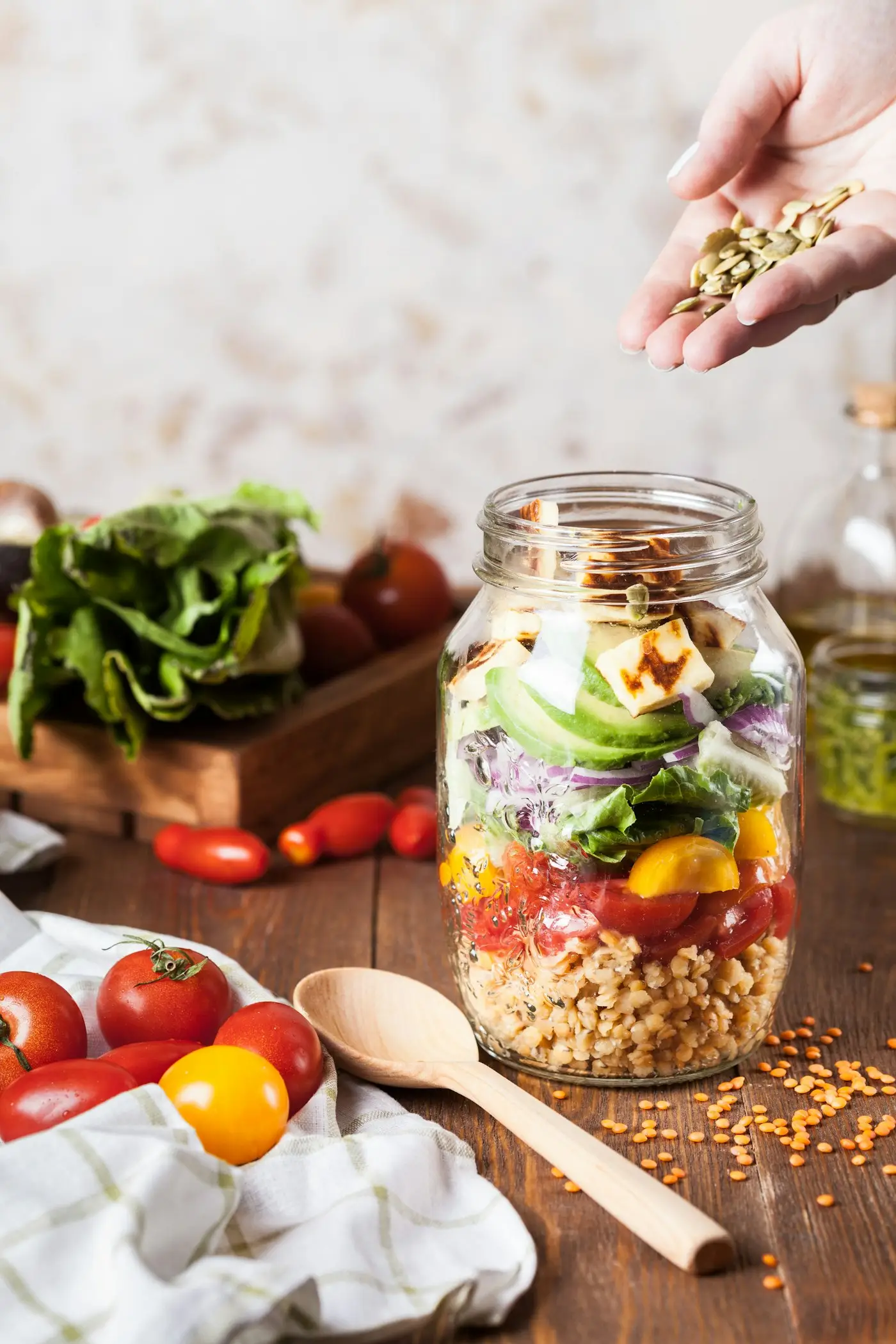
Fat loss gets much easier when good food is already waiting in your fridge. This simple vegetarian meal prep takes about 90 minutes on a weekend and covers most of your weekday meals.
The plan at a glance
Each day uses the same structure: a high-protein breakfast, a balanced lunch box, a protein snack and a lighter dinner. It’s built around everyday Indian ingredients and roughly 1,600–1,900 kcal a day, depending on portions.
Weekend prep (about 90 minutes)
- Cook a big pot of dal or rajma. Portion into 4 lunch boxes.
- Cook rice or millets and portion with the dal.
- Make paneer or tofu bhurji for 3 breakfasts.
- Roast a tray of vegetables (capsicum, onion, cauliflower, carrots) with a teaspoon of oil.
- Soak and sprout moong for snacks and salads.
- Hang 500 g of curd overnight for thick, high-protein hung curd.
A sample day
- Breakfast: paneer bhurji with one multigrain roti.
- Lunch: dal, rice and roasted vegetables.
- Snack: hung curd with fruit, or a sprouts chaat.
- Dinner: besan cheela with salad, or a vegetable khichdi with curd.
Want different combinations? The free meal plan generator builds a full day for your calories.
Tips that make it work
- Measure oil. One tablespoon is about 120 kcal. It’s the number one reason home-cooked diets stall.
- Protein first. Every meal should have dairy, legumes, soy or eggs.
- Keep sauces separate so food doesn’t get soggy.
- Prep for 3–4 days, not 7. Food tastes better and stays safe.
Shopping list
Moong dal, rajma or chana, paneer or tofu, curd, besan, rice or millets, multigrain atta, seasonal vegetables, onions, tomatoes, fruit, roasted chana, and your usual spices.
Next step
Find your daily calorie target with the calorie calculator, then adjust portions. For a plan made around your preferences and health, see our custom diet plans.
#vegetarian #mealprep #fatloss
Written by
PeriodicFit Team
Coaches and dietitians writing practical, science-backed guides on training and nutrition.
This article is for general information and is not medical advice. Speak with a qualified doctor before making changes to your diet or exercise, especially if you have a medical condition. Read our disclaimer.